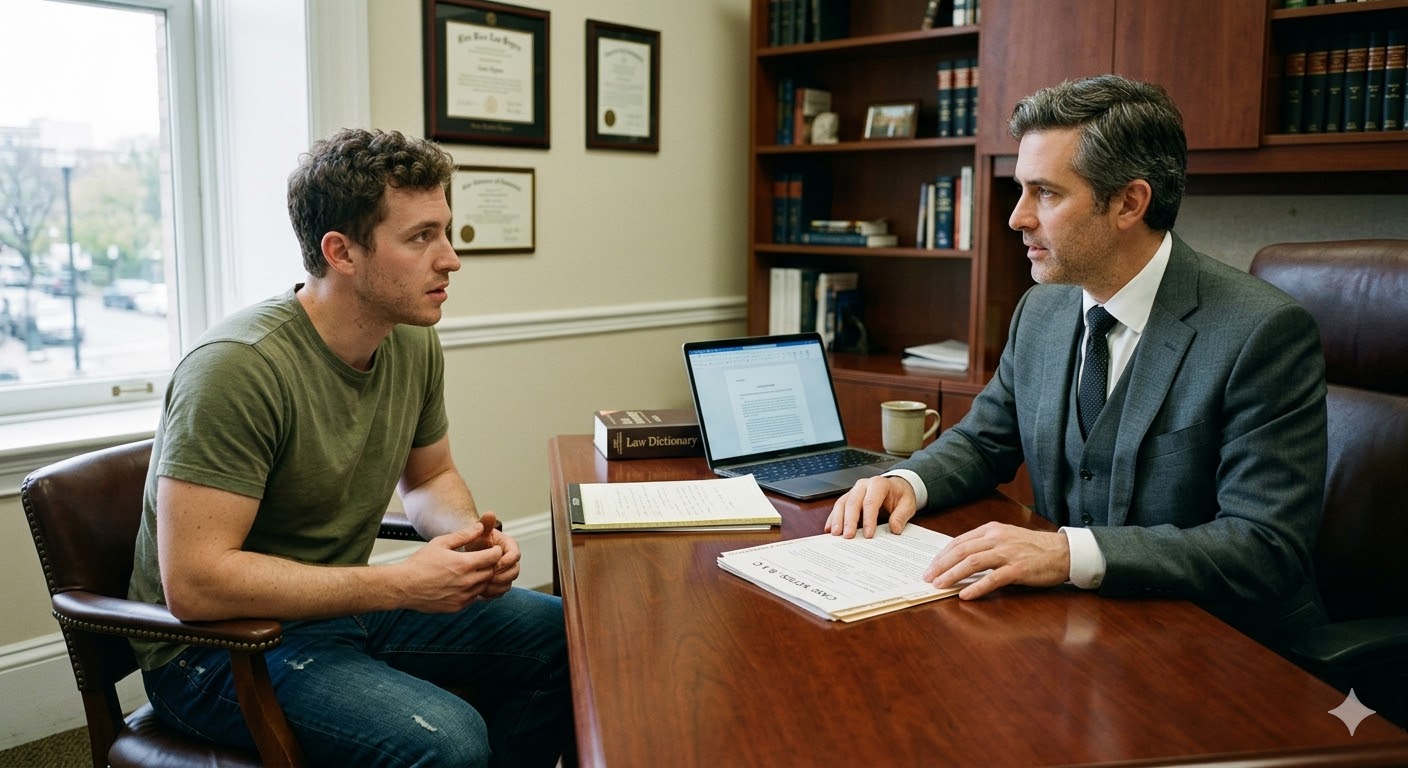
What to Expect After a DUI Arrest in El Cajon
What to Expect After a DUI Arrest in El Cajon
A DUI arrest in El Cajon usually sets off two separate cases at the same time: a criminal case in court and a DMV administrative case tied to your license. The biggest early deadline is the DMV one. In California, you generally have 10 days from the date of arrest to request a DMV hearing, and the officer may take your license and issue a temporary license that is typically valid for 30 days.
That is why the first days after an arrest matter so much. People often assume they can “wait for the court date,” but that is how they lose ground fast. A local DUI defense attorney can step in early to protect driving privileges, preserve evidence, and keep the DMV case from quietly getting ahead of the criminal case
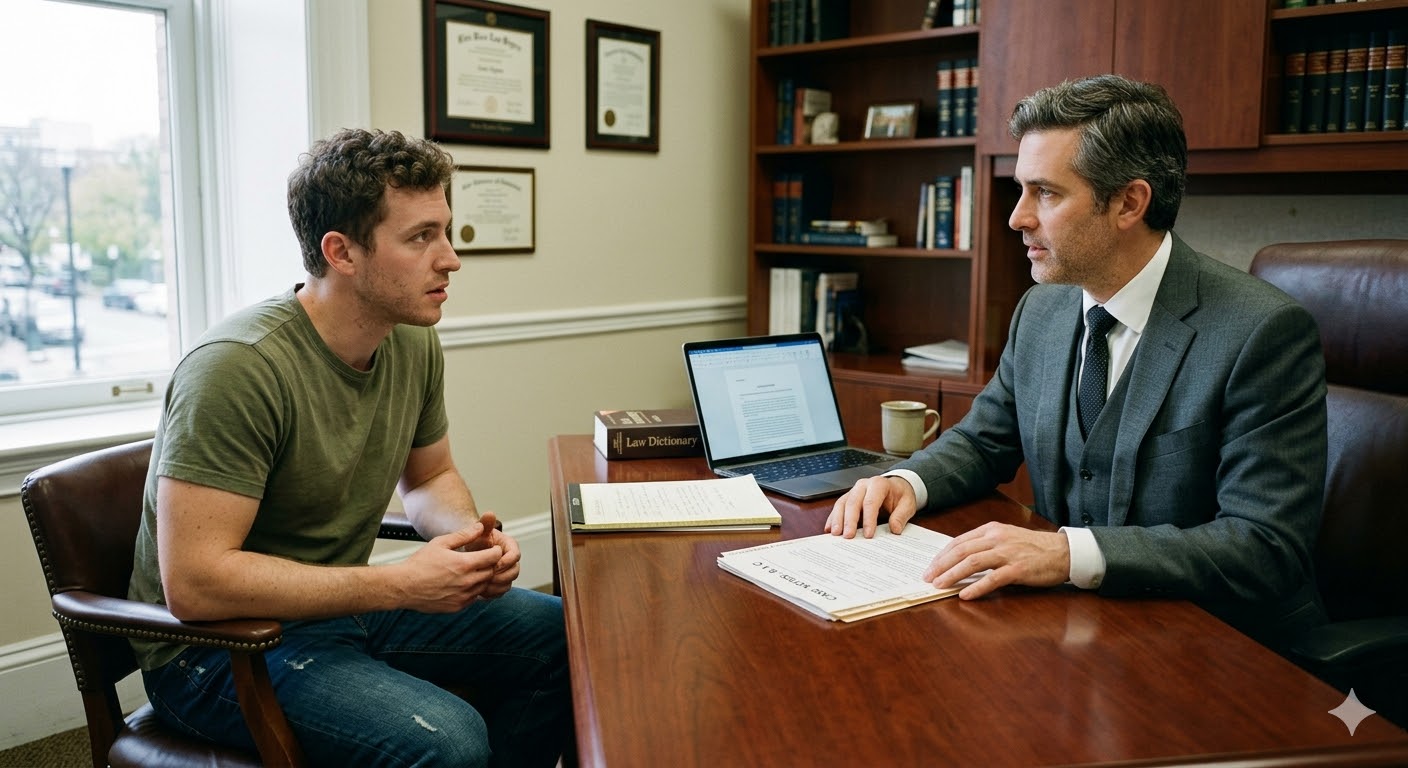
What happens at the traffic stop and field sobriety tests
Most DUI cases start with a traffic stop. The officer may claim a driving pattern, a traffic violation, or some other reason to pull the vehicle over. From there, the investigation usually shifts quickly to observations: odor of alcohol, red or watery eyes, slurred speech, confusion, slow responses, or an admission about drinking. That is the moment the encounter starts building toward a DUI investigation.
The officer may then ask the driver to step out of the car and perform field sobriety tests. These are the roadside physical and attention tests people usually picture when they think of a DUI stop. The officer may also ask for a preliminary alcohol screening device, often called a PAS test, before any formal arrest. In practice, this is the stage where the officer is trying to gather enough evidence to move from suspicion to probable cause.
For the defense, this part of the case matters more than most people realize. The stop itself can be challenged. The officer’s observations can be exaggerated or incomplete. Field sobriety tests can be affected by fatigue, anxiety, poor lighting, medical issues, uneven pavement, weather, age, footwear, or simple nerves. A defense attorney will usually look closely at bodycam footage, dashcam video, dispatch timing, and the officer’s report to see whether the stop and investigation actually match the story later written in the police report.
When you can be formally arrested for DUI in California
A formal DUI arrest usually happens when the officer believes there is probable cause to say the driver was under the influence. California law also gives officers authority in DUI cases to make a warrantless arrest when they have reasonable cause under specified circumstances.
That means the arrest does not require the officer to already have a final chemical test result in hand. In many cases, the arrest comes first, and the evidentiary breath or blood test comes after. Once a person is lawfully arrested for DUI in California, the state’s implied consent rules come into play. The DMV states that by driving in California, a person consents to a breath, blood, or urine test if an officer suspects DUI, and refusal can trigger suspension or revocation consequences.
This is another place where defense work starts early. An attorney will examine whether the officer actually had a lawful basis to arrest, whether the implied-consent warning was properly given, what test was requested, how the test was administered, and whether there are holes in the timeline. That is not legal nitpicking; that is where real DUI cases are often won or weakened.
The difference between your criminal case and DMV case
This is where people get tripped up. The criminal case and the DMV case are related, but they are not the same thing.
The criminal case is handled through the court system. That is the side where charges are filed, an arraignment is held, and the prosecution tries to prove the offense. California Courts explains that the arraignment is usually the first court date in a criminal case, where the defendant is told the charges and rights, and the next court dates are set.
The DMV case is different. It is an Administrative Per Se action focused on your driving privilege, not criminal guilt. The California DMV states that the DMV suspension or revocation is an immediate administrative action against your license and is independent of any criminal penalties imposed by a court.
In plain English: you can be fighting in court over the DUI charge while also fighting the DMV over whether you keep your license. Win or lose on one side does not automatically decide the other. That is why waiting around for a court date is a bad move. The DMV clock does not care whether you are still confused, frustrated, or hoping it blows over. The machine keeps moving.
How quickly you should contact a local DUI defense lawyer
Fast. Not “sometime this week.” Not “after I calm down.” Fast.
The official DMV guidance says you have the right to request a hearing within 10 days of the arrest or receipt of the suspension/revocation order. The officer may also issue a temporary license for 30 days after taking the physical license. That short window is one of the main reasons early representation matters.
A local El Cajon DUI defense lawyer can usually start helping right away by identifying the DMV deadline, requesting the hearing, analyzing the arrest paperwork, and beginning evidence preservation before video, memory, and leverage get weaker. Early defense work also helps prevent inconsistent positions between the DMV side and the court side. That matters because bad facts get harder to clean up once they are baked into the record.
There is also a local practical reason to move quickly. DUI matters in San Diego County go through the criminal court system, and San Diego Superior Court notes that DUI cases are referred to the Substance Abuse Assessment Unit for evaluation and referral to the appropriate DUI program when required. A lawyer familiar with El Cajon and San Diego County procedure can often spot local process issues faster than someone treating the case like generic internet DUI content. That is the difference between actual defense strategy and blog-farm sludge.
Final thought
After a DUI arrest in El Cajon, the first phase is about speed, damage control, and clean decision-making. The stop, the arrest, the chemical testing, the DMV deadline, and the first court appearance all create pressure fast. The smartest move is to treat the first 10 days like the most important window in the case, because on the license side, they often are.
Legal Sources:
California DMV; California Driver Handbook; California Vehicle Code Sec. 40300.5; California Courts Self-Help Guide; San Diego Superior Court. Accessed March 11, 2026.
