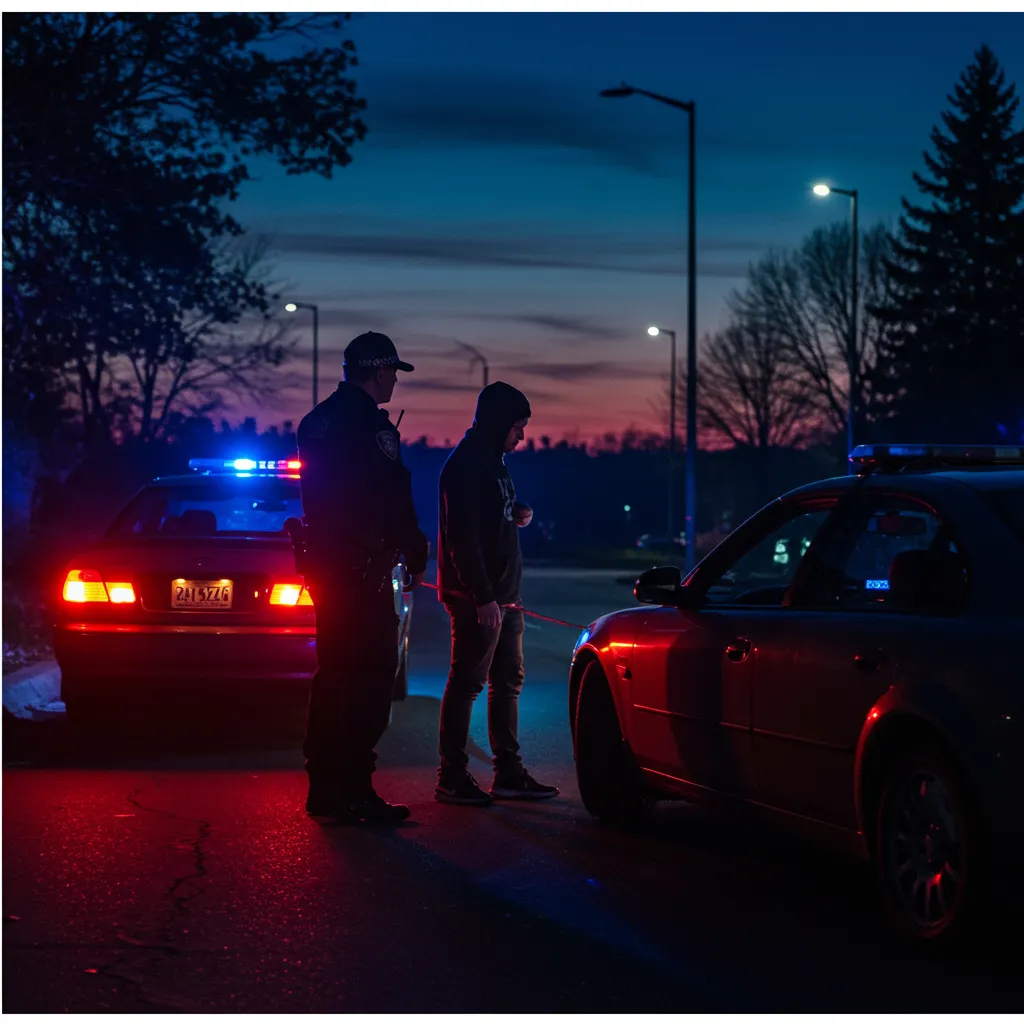
Can I Refuse a Breathalyzer in California? Your Rights Explained
Can I Refuse a Breathalyzer in California? Your Rights Explained
Many drivers in El Cajon ask the same question after a DUI stop: can you refuse the breath test? The honest answer is yes in some situations, no in others. California draws a sharp line between the roadside preliminary breath test and the post-arrest chemical test, and confusing the two can create serious consequences for your license and your criminal case. California’s implied-consent law says that once you are lawfully arrested for DUI, you are generally deemed to have consented to a chemical test of your blood or breath
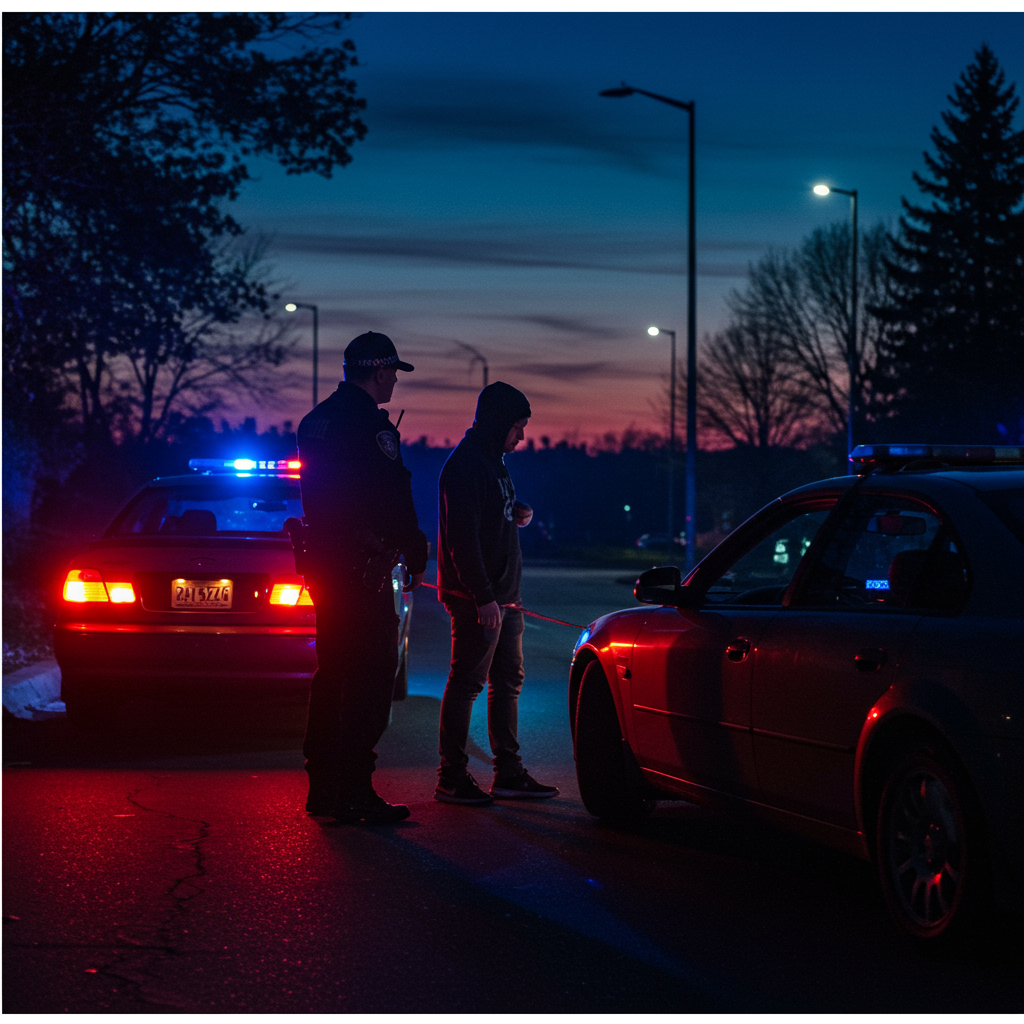
Roadside breath tests are not always mandatory
For many adult drivers, the small handheld breath test offered on the roadside is a preliminary alcohol screening test, often called a PAS test. Under California law, that PAS test is treated as a field sobriety tool used to help the officer decide whether there is probable cause for an arrest. The officer must advise the person that the PAS test is being requested for investigation and that the person has the right to refuse it. Just as important, taking the PAS test does not satisfy the later obligation to take a formal chemical test after arrest.
That said, this is where people get burned. The roadside PAS test may be optional for many drivers age 21 and over who are not on DUI probation, but different rules can apply in certain situations, including underage cases and DUI probation matters. A driver should never assume that every test is optional just because it involves breathing into a device. The legal question is not simply “Was it a breath test?” The real question is when it was requested and why.
After arrest, refusal usually triggers separate consequences
Once you are lawfully arrested for DUI in California, the rules change fast. At that point, the officer can require a chemical test to determine alcohol and, in some cases, drug content. For alcohol cases, the arrested person generally has the choice between a blood or breath test, and the officer is supposed to advise the person of that choice. If the case involves suspected drugs or a combination of alcohol and drugs, a blood test may become required.
If you refuse or fail to complete the required post-arrest test, the DMV can impose an Administrative Per Se suspension or revocation separate from anything that happens in criminal court. According to the California DMV, for a driver age 21 or older, a first refusal can lead to a one-year suspension, a second within 10 years can lead to a two-year revocation, and a third or subsequent refusal within 10 years can lead to a three-year revocation. DMV also states that these administrative consequences are independent of court penalties in the criminal case.
Refusal can also make the court case worse
Refusing a lawful post-arrest test is not usually some magic trick that makes the DUI disappear. In practice, it often gives the prosecution and DMV another issue to use against the driver. California law requires officers to advise that refusal can lead to license consequences, and the statute also says the refusal may be used in court. California legislative materials further note that refusal can be treated as a factor supporting enhanced penalties and stricter sentencing outcomes if there is a conviction.
That matters because many people think refusing means there will be “no evidence.” That is fantasy. The state may still rely on driving pattern, officer observations, field sobriety tests, body camera footage, witness statements, and any statements the driver made. In some cases, officers may also pursue a blood draw through lawful procedures. Refusal often narrows your options instead of improving them.
License suspension timing matters more than most people realize
One of the nastiest parts of a refusal case is speed. The DMV process starts quickly, and the hearing deadline is short. California DMV states that a driver has the right to request a DMV hearing within 10 days of receiving the suspension or revocation order. Miss that deadline and you can lose a major chance to challenge the administrative action.
This is where people need straight talk: do not build your defense around bar-stool advice. Whether a refusal was legally valid can turn on fine details, including whether the arrest was lawful, whether the officer properly advised the driver, whether the driver actually refused, whether there was confusion about blood versus breath, and whether the person failed to complete the test for a legitimate reason rather than willful refusal. Those details can affect both the DMV hearing and the court case.
Speak with a DUI lawyer as soon as possible
One important correction: after arrest, California law says the officer must advise that the person does not have the right to have an attorney present before deciding whether to submit to testing or during the administration of the test. So the idea that you can pause the DUI investigation and call a lawyer before choosing a post-arrest chemical test is usually wrong.
The smarter move is to contact a California DUI lawyer immediately after the arrest. A defense attorney can review whether the roadside PAS was truly optional, whether the post-arrest advisement was legally sufficient, whether the officer misstated your choices, and whether the DMV hearing was requested on time. In an El Cajon DUI case, those issues can directly affect your license, leverage in negotiations, and the overall defense strategy.
Source
Sources: California DMV, Driving Under the Influence (DUI); California Legislative Information, Vehicle Code section 23612; California Legislative Information, AB 702 Driving under the influence: chemical tests.
